Call about your floor: (352) 677-2664

Ocala garage floor coatings

Garage Floor Coatings in Ocala, FL

Talk with a garage-floor coating specialist about the condition of your Ocala slab, the way the space is used, and the finish you want. The right coating plan starts with concrete prep, moisture and stain checks, crack treatment, texture, and a realistic cure window — not a square-foot guess.

Request a coating callback

Tell us what your garage floor is doing now. A coating professional can follow up about prep, material choices, access, and timing.

No obligation. Confirm scope, credentials, pricing, materials, and timing before hiring.

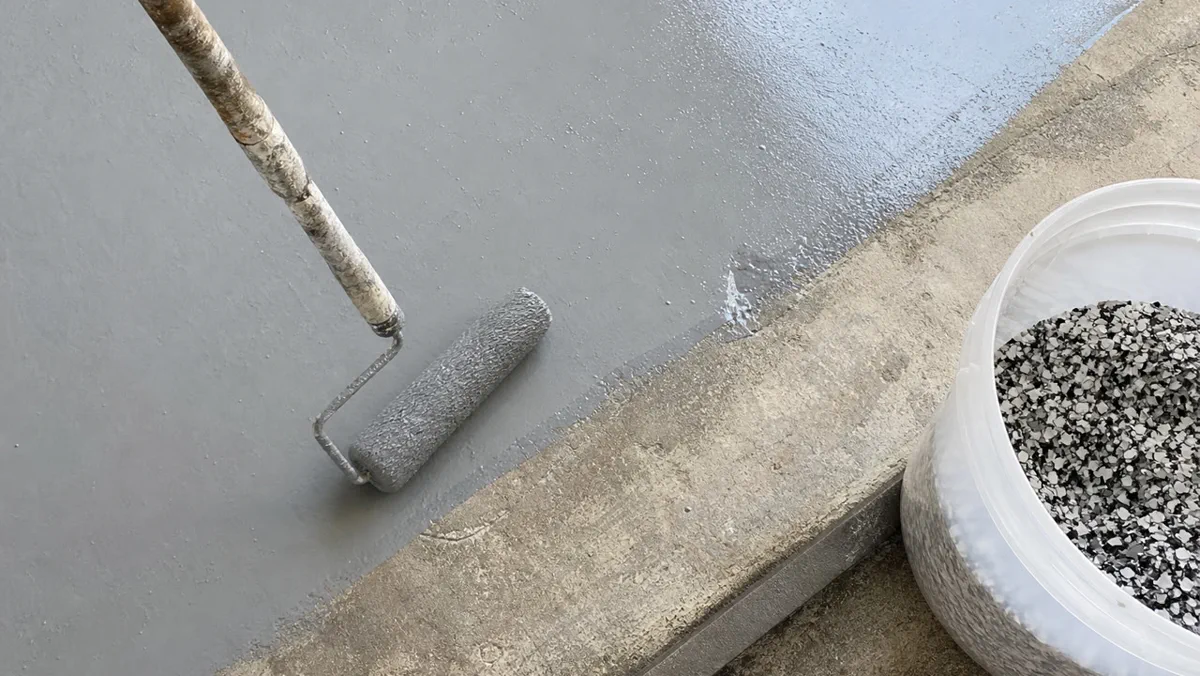
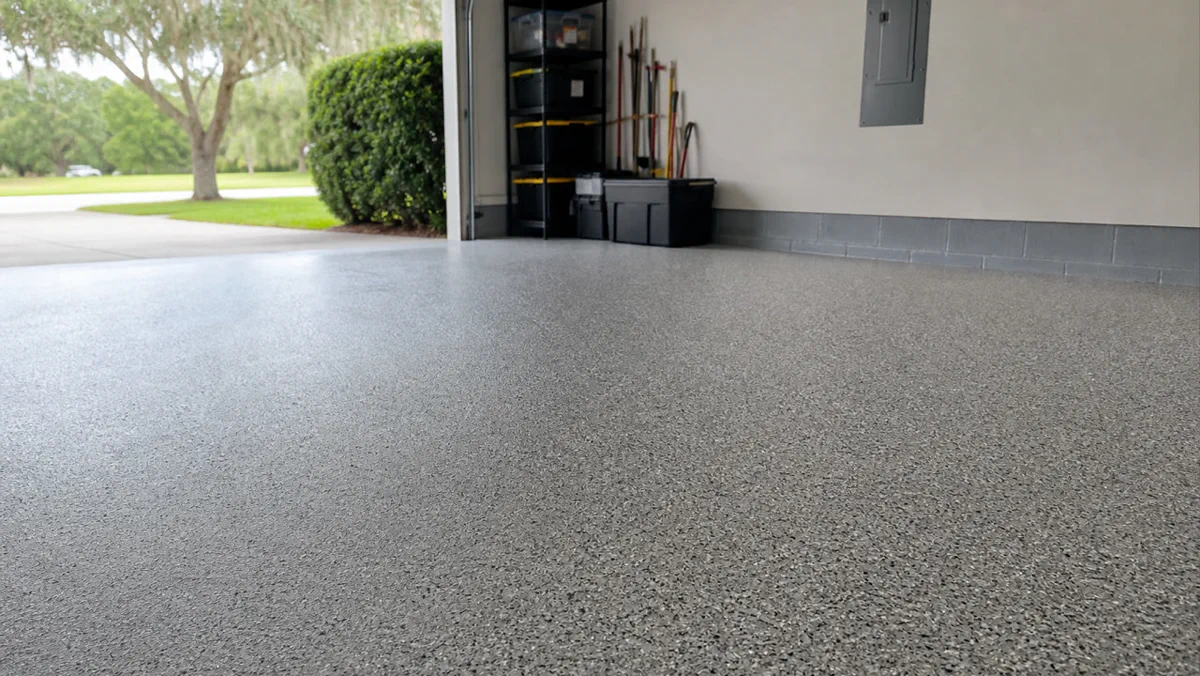
Finished flake-style garage floor coating example for Ocala homeowners
Surface prep firstNo price guess before slab reviewLocal Marion County conditionsClear prep and timing plan

What Garage Floor Coating Can Improve

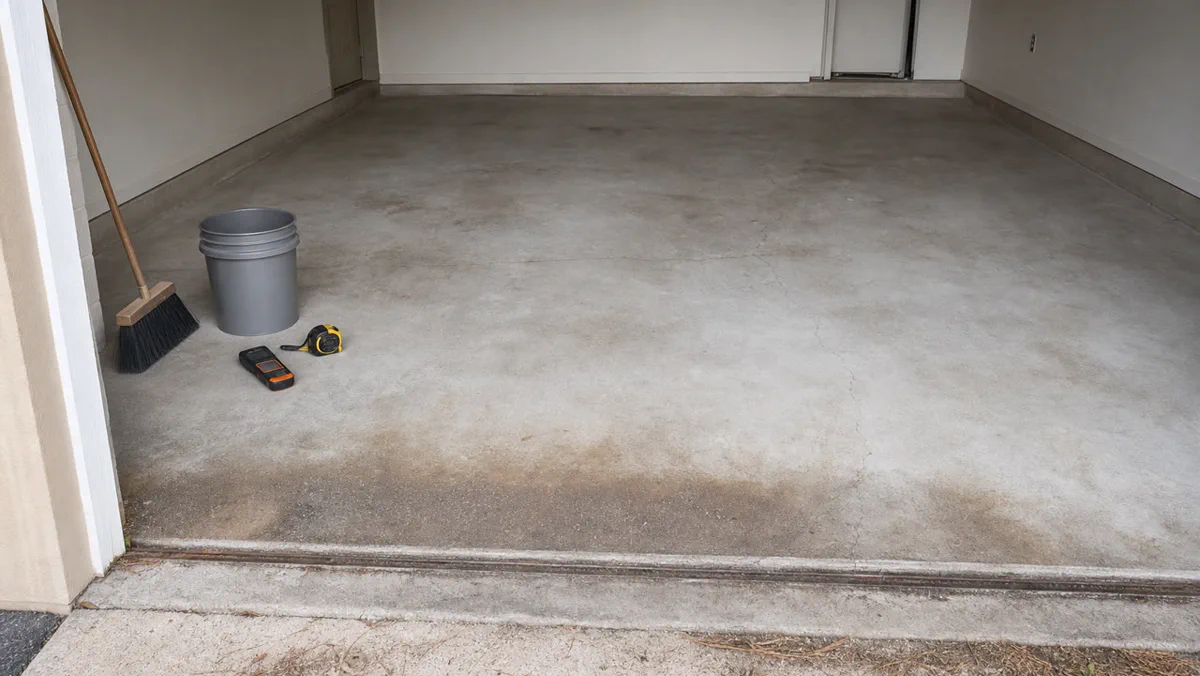
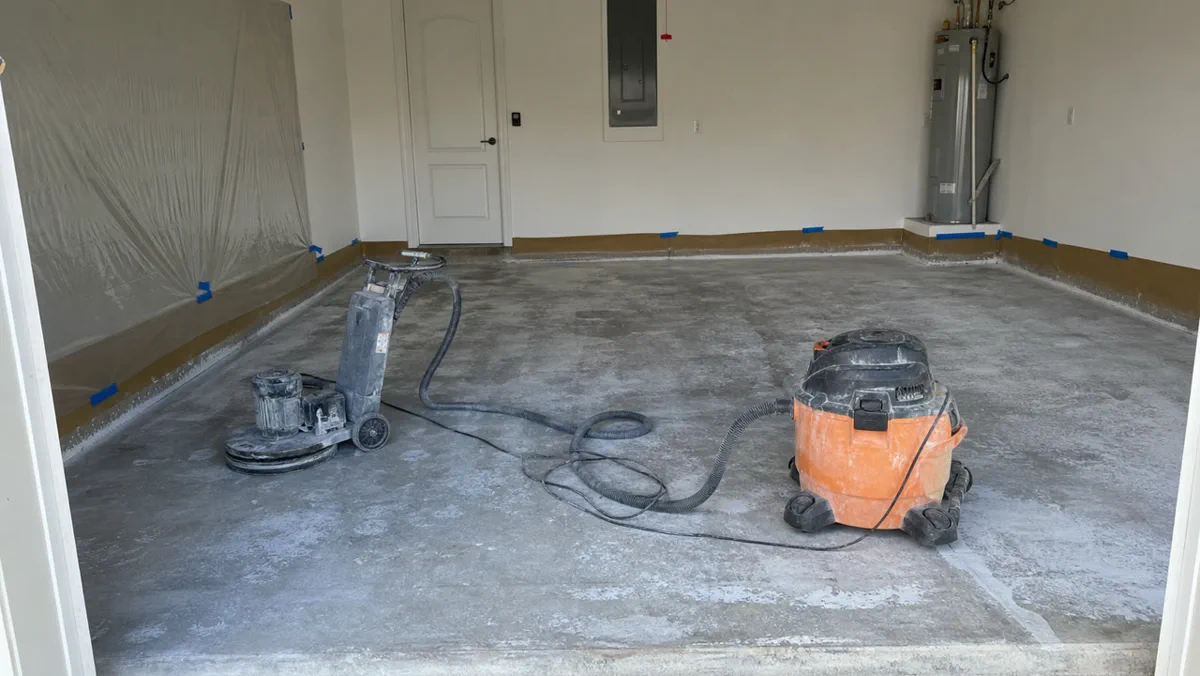
Surface preparation equipment for a garage floor coating project
Prep matters because coatings need a clean, profiled surface to bond.
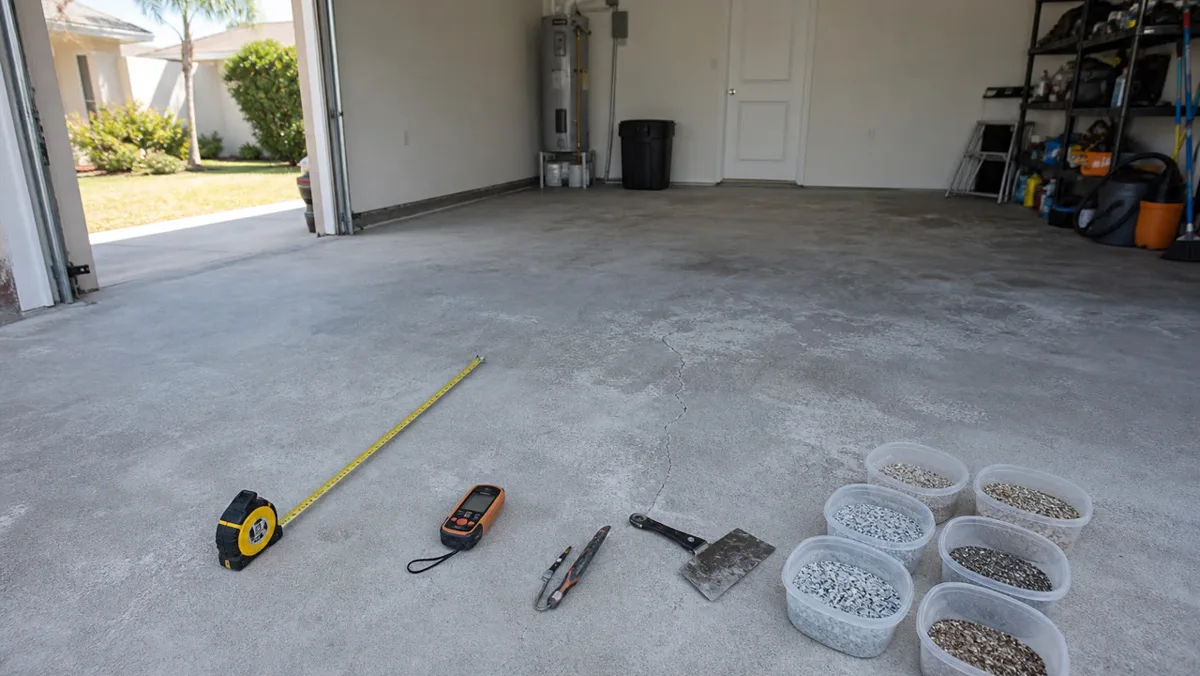
Close view of garage floor coating detail and surface texture
Cracks, stains, old paint, and edge details should be discussed before choosing a system.
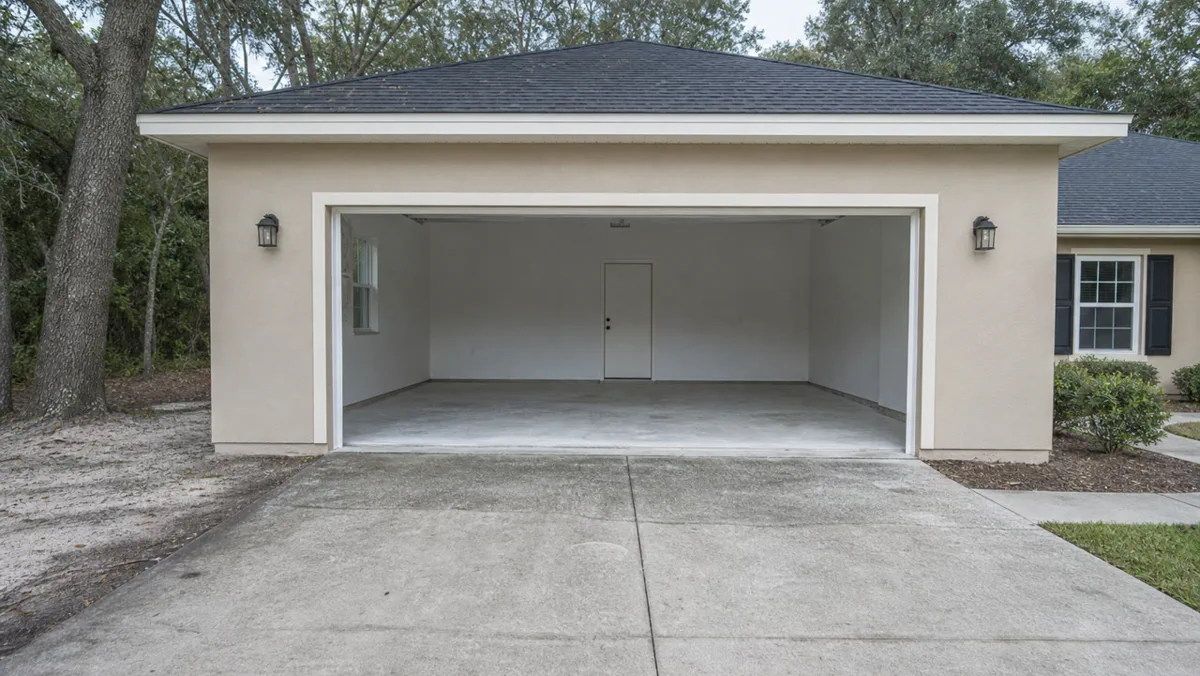
Garage and driveway conditions that can affect floor coating preparation
Local dust, rain, storage, and driveway access all affect prep and staging.
Garage floor coating quote preparation notes
Better floor details help the next discussion focus on the right prep and coating scope.
Marion County garage floor coating service area planning
Attached garages, shops, patios, and rural properties can need different coating plans.
Finished flake-style garage floor coating example
A finished floor should match how the garage is actually used: parking, storage, shop, or hobby space.

Why Ocala Garage Floors Need Coating Planning

Ocala garages see a mix of inland Florida humidity, summer thunderstorms, sandy dust, hot tires, lawn equipment, hobby-shop traffic, and storage patterns that are different from a clean showroom slab. A floor near Silver Springs may collect outdoor grit and damp air. A Belleview garage may carry mower and utility-trailer traffic. A Dunnellon or Anthony property may have rural driveway dust and heavier storage. A garage near The Villages may need a clean finish that is easy to walk on, simple to maintain, and planned around HOA or access rules.

The coating decision should not start with a generic color chart. It should start with what is already on the concrete. Old paint, acrylic sealer, oil contamination, tire residue, pitting, hairline cracks, soft edges, and moisture vapor can all change the preparation plan. If those details are ignored, even a good-looking coating system can have bond problems later.

A useful coating plan should cover surface profile, slab moisture, existing sealer or paint removal, crack treatment, oil contamination, coating chemistry, cure windows, UV exposure, and how the garage is used. Ocala-specific factors include inland Central Florida humidity, afternoon rain, sandy dust, hot garages, irrigation overspray, horse-farm and workshop traffic, older slabs in established neighborhoods, and HOA or rural access differences around Marion County.
Ocala garage and driveway conditions that can affect floor coating preparation
Use the surface condition, not a generic package name, as the starting point for an estimate.

Garage Floor Coating Services Homeowners Commonly Compare

Epoxy Garage Floors

Epoxy systems can make sense when the slab is properly profiled and the work window allows enough cure time. The key questions are whether existing paint or sealer must be removed, whether oil spots need treatment, how deep cracks are, and whether the garage can stay clear long enough for the coating schedule.

Compare details

Polyaspartic Coatings

Polyaspartic coating systems are often discussed because they can cure faster than many traditional epoxies and can be paired with decorative flake. Faster cure does not remove the need for grinding, cleaning, moisture review, and careful edge work around stem walls, thresholds, drains, and cabinets.

Compare details

Flake Floor Systems

Decorative flake systems hide small color variation and give the floor a textured finished look. The amount of flake, broadcast method, scraping, and topcoat choice can change the final feel underfoot, especially in garages where wet shoes, irrigation water, or rain blow-in are common.

Compare details

Concrete Grinding and Prep

Grinding and surface preparation usually separate a short-lived coating from one that has a fair chance to perform. Prep can include removing loose paint, opening the concrete surface, chasing weak edges, cleaning out cracks, and checking whether a previous sealer is blocking bond.

Compare details

Patio and Shop Coatings

Patios, hobby shops, storage bays, and detached garages need different prep decisions than a clean two-car garage. Sun exposure, dust, vehicle weight, workbench traffic, mower storage, and water at the slab edge can all change what coating system and texture are worth discussing.

Compare details

Garage Floor Resurfacing

Resurfacing review is helpful when the concrete is worn, stained, pitted, or uneven enough that a simple cosmetic coat would not solve the problem. A contractor may need to look at spalling, hollow patches, previous repairs, expansion joints, and whether the slab should be repaired before coating.

Compare details

What Affects Garage Floor Coating Cost or Scope

A credible garage floor coating plan is more than a square-foot number. It should explain the system being considered, how the surface will be prepared, how cracks or pitting will be handled, whether a bond-blocking sealer is present, what texture is planned, and how long the space needs to stay clear. Ocala homes also need practical answers for wet tires, rain blow-in, irrigation overspray, heat, dust, and normal storage traffic.

Be cautious of any price that skips preparation details. Grinding, cleaning, crack treatment, edge work, and topcoat selection may not be the flashiest parts of the job, but they are often what determines whether the finished floor still looks intentional after vehicles, tools, and Florida weather return.

Floor details worth sharing

  • Approximate garage size or number of bays
  • Whether the floor has paint, sealer, tile, carpet glue, or bare concrete
  • Visible cracks, pitting, spalling, or uneven areas
  • Oil, rust, fertilizer, battery, or chemical stains
  • Cabinets, appliances, water heaters, or heavy storage that affects access
  • How soon the garage must return to use
Close look at concrete surface preparation before garage floor coating
Preparation questions are not filler. They are the difference between a cosmetic price guess and a useful scope.

When You May Need Garage Floor Coating Help

Peeling paint or old DIY coating

Loose paint usually has to be removed before a new coating can bond. Ask whether mechanical grinding is included and whether the prior coating might contain layers that need extra removal time.

Hot tires, sandy dust, and stains

Vehicle heat, road grit, lawn equipment, and oil stains affect both cleaning and coating selection. A floor with heavy contamination may need a different preparation plan than a clean new slab.

Flake texture and wet entry points

Rain from vehicles, irrigation overspray, and shoes coming in from the driveway make texture worth discussing. Ask how the topcoat will feel when wet and how easy it is to sweep or mop.

How Garage Floor Coatings Work

Concrete coatings depend on adhesion. Adhesion depends on the surface being clean, open enough for the coating system, and free from weak layers. That is why many professional coating plans include grinding or surface profiling rather than just pressure washing. Moisture also matters. A slab can look dry on top while still carrying vapor from below, especially in humid climates. If moisture is a concern, the installer should explain how that risk is evaluated and what options exist.

Epoxy is known for hardness and build. Polyaspartic and polyurea-style systems are often discussed for faster cure and UV stability, depending on product and installer. Flake systems add visual coverage and texture. None of those words should replace a real inspection of the slab. The best system for a tidy, newer two-car garage may not be the best system for a shop floor with welding dust, mower traffic, and an old oil spot near the door.

Ocala homeowners also need practical scheduling expectations. Coating projects may require moving stored items, keeping vehicles out, controlling dust, and protecting the floor while coatings cure. That can be easy in an empty garage and more complicated when freezers, toolboxes, shelves, or horse-tack storage are involved.

Estimate details should follow slab review

Final prices, coating brands, warranty terms, chemical resistance, schedule, and contractor credentials should be confirmed by the responding business after reviewing the actual slab, product system, and scope.

Read cost factors

Garage Floor Coating FAQs

What should I know before coating an Ocala garage floor?

Start with the slab condition. Existing paint, oil stains, tire marks, cracks, moisture, sandy dust, and edge damage all affect preparation. A useful estimate should explain how the surface will be cleaned and profiled before any coating is applied.

Is epoxy or polyaspartic better for a Florida garage?

Neither answer is automatic. Epoxy, polyaspartic, and hybrid systems can each be appropriate depending on surface prep, cure window, UV exposure, budget, and how soon the garage needs to return to use. Ask what system is being proposed and why it fits your floor.

Can a coating cover cracks or stained concrete?

A coating can improve the appearance of a garage floor, but cracks, pitting, oil contamination, and weak concrete may need prep or repair first. If the damage is active or structural, coating alone should not be treated as a fix.

Why does garage floor preparation matter so much?

Coatings need a clean, profiled surface to bond. If the slab has loose paint, sealer, dust, oil, or trapped moisture, the coating can fail even if the top layer looked good on installation day.

What changes the price of a garage floor coating?

Size, slab condition, coating system, amount of grinding, crack repair, moisture concerns, decorative flake level, topcoat, edge work, and access all affect pricing. This site avoids fixed prices because a floor review is needed before pricing is meaningful.

Do I need to empty the garage before work starts?

Most coating projects require the garage floor to be clear so the surface can be prepared and coated consistently. Heavy storage, refrigerators, cabinets, tools, and shelving should be discussed before scheduling.

Are coated garage floors slippery when wet?

Texture matters. A high-gloss smooth surface can feel different from a flake system with a textured topcoat. Ask how slip resistance is handled for rainwater, irrigation overspray, wet tires, and shoes coming in from the driveway.

Can patios or detached shops be coated too?

Often they can be reviewed, but outdoor or semi-outdoor slabs bring more sun, water, dust, and temperature exposure. The coating system and texture should be chosen for the actual space rather than copied from an indoor garage.

What Happens After You Call or Request Floor Coating Help

Ocala Garage Floor Coatings keeps the first step practical: understand the slab, identify coating risks, narrow the system choices, and plan the work window around the way the garage is actually used. That means old paint, oil spots, soft edges, cabinets, freezers, golf carts, lawn equipment, and rural driveway dust all matter before a color or flake blend is chosen.

Final materials, credentials, warranty terms, timing, and price should always be confirmed directly before work is scheduled. The goal here is a cleaner, better-informed floor-coating decision before anyone commits to a product or crew.

Ready to Talk Through Your Garage Floor?

Send the basics or call with the slab condition, coating goal, access constraints, and timing window.

Request Coating HelpDiscuss Garage Conditions
Call About Floor Prep